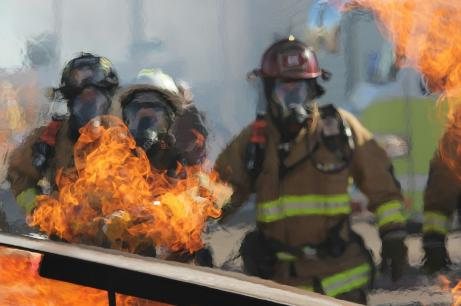
Fire watch guards are dedicated safety professionals whose main responsibility is to identify and reduce fire risks before they escalate. Industry safety reports consistently show that a large percentage of structural fires begin with small, unnoticed triggers such as overheating equipment, sparks from maintenance work, or improper storage of flammable materials. Fire Watch Guards focus on early detection, continuous monitoring, and rapid response—three factors proven to reduce fire-related incidents and losses.
How common are preventable fire incidents?
Statistical safety analyses reveal that a significant share of workplace and residential fires are preventable with timely intervention. Studies across commercial and industrial properties indicate that early detection can reduce fire damage costs by more than half. These findings highlight why constant human oversight remains critical, even when automated alarms are present. Fire watch guards fill the gap by observing conditions in real time and responding immediately when risks appear.
Why are automated systems alone not enough?
While alarms and detection devices are valuable, statistics show they are most effective when combined with human monitoring. Automated systems may alert occupants after smoke or heat reaches a threshold, but fire watch guards can spot warning signs earlier—such as unusual odors, sparks, or equipment malfunctions. Data from safety assessments consistently shows that layered protection, combining technology and trained personnel, results in fewer incidents and faster containment.
How do fire watch guards help during high-risk activities?
Activities like equipment repairs, temporary system shutdowns, or high-heat operations increase fire risk. According to incident trend data, a notable portion of fires occur during such short-term, high-risk periods. Fire watch guards provide focused supervision during these times, ensuring hazards are addressed immediately. Their presence alone has been shown to lower incident rates by encouraging safer behavior and quicker corrective actions.
What impact do fire watch guards have on response time?
Response time is a critical factor in limiting fire damage. Statistics from emergency response reviews show that fires addressed within the first few minutes are far less likely to spread. Fire watch guards are trained to act instantly—alerting occupants, initiating basic control measures, and guiding safe evacuations if needed. This rapid action can mean the difference between a minor incident and a major loss.
Do fire watch guards improve overall safety awareness?
Yes. Data-driven workplace safety studies indicate that visible safety personnel increase awareness and compliance with fire prevention practices. Fire watch guards routinely identify unsafe behaviors, report hazards, and promote a culture of vigilance. Over time, this proactive approach contributes to fewer near-misses and a measurable decline in fire-related disruptions.
Are fire watch guards cost-effective?
From a statistical perspective, the cost of prevention is consistently lower than the cost of recovery. Insurance and risk assessment data show that fire-related downtime, repairs, and asset losses can far exceed the investment in preventive measures. Fire watch guards help organizations avoid these expenses by reducing incident frequency and severity, making them a practical and financially sound safety solution.
Why are fire watch guards essential for fire hazard prevention?
In summary, data-backed insights make one point clear: prevention saves lives, property, and time. Fire watch guards provide continuous oversight, early detection, and immediate response—elements proven to reduce fire hazards significantly. By combining human judgment with constant vigilance, they play an essential role in minimizing risks and maintaining safer environments across a wide range of settings.